
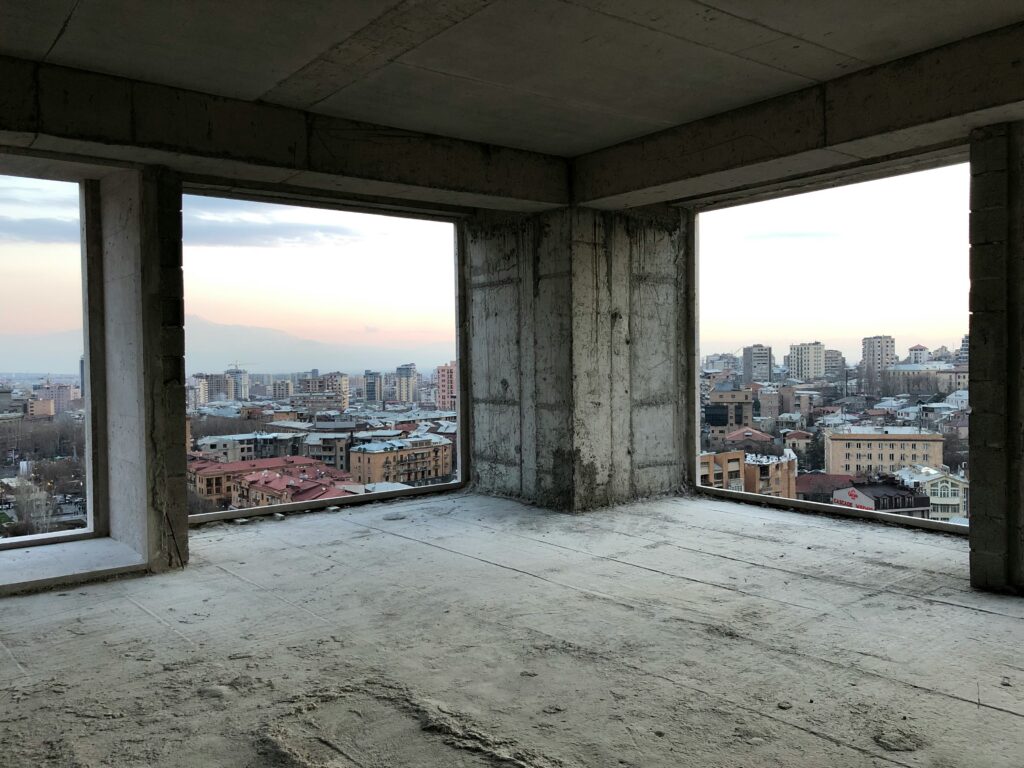
Concrete has been a staple material used in construction for a very long time. A person can find concrete almost anywhere they look. Its strength and durability are not to be scoffed at, with it being able to support drastic amounts of weight. However, even though it can support all of these structures, concrete has a major imperfection, the fact that it cracks over time, even when it is used for just a short time.
While the cracks may seem small at first, they can turn into much bigger problems later on if they are not dealt with immediately. These cracks can allow multiple materials into the concrete like water and salts, which can corrode the steel inside of the concrete, weakening the structure. If not kept in check, this damage can become very serious, which leads to expensive repairs or even a complete collapse of the structure if nothing is done about the issue or if it goes unnoticed.
In order to deal with this issue, many repair methods have been thought up and utilized in the past. One solution was to inject synthetic materials into the concrete’s cracks, which will seal the surface and prevent outside materials from getting into the concrete. However, these methods are not at all permanent fixes and normally need to be repeated over and over again in order to remain effective. Furthermore, the method is unappealing due to its potential cost and the environmentally unsafe materials utilized.
Recently, it seems that a fix has been developed. Scientists have been working on a new type of concrete, one that is capable of self-regeneration without outside help. This possibility had been ideated in recent years due to its financial appeal and also due to its general convenience. One of the main ways the self-healing concrete works is by using special bacteria that are added into the concrete when it is first made. The bacteria placed in the concrete are able to survive there for a very long time, potentially even years. The bacteria will remain dormant inside the concrete until they are exposed to air and water again once cracks form where the bacteria are located.
Once these bacteria are activated, they start consuming nutrients that were placed in the concrete mixture alongside them. Throughout this process they produce a material called calcium carbonate, which is a material similar to limestone. This substance expands through the cracks and begins to seal them over time, blocking outside materials from entering the concrete, restoring the concrete’s strength and essentially allowing it to repair itself without any human help.
Researchers are continuing to find ways to improve the technology behind the creation of this self-healing concrete even more. One such method being looked at right now is the genetic modification of the bacteria so that they can produce even more enzymes which are needed to break down the materials placed in the concrete mixture, which will help accelerate the process.
Overall, self-healing concrete is being seen as a drastic step forward in construction as a whole. This new technology offers a way to reduce the need for constant repairs while also being more environmentally sustainable and friendly. As this concrete undergoes more testing, it is likely that it will become much more common in future construction projects around the world.