
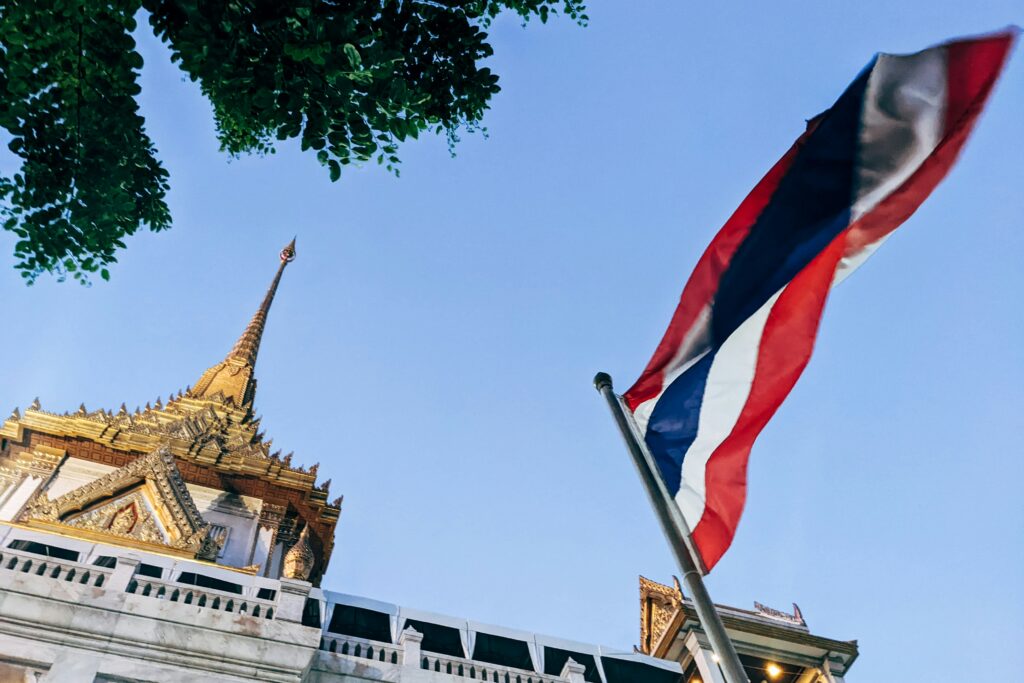
This past weekend brought about large moves within the diplomatic playground in Southern Asia as the President of the United States, Donald Trump, began his tour to multiple different countries. Most notable is the brokered peace agreement between Thailand and Cambodia, which brought several skirmishes along their border. Along with this are several trade agreements made in an effort to strong arm the Southeastern countries to follow an American economic lead and to curb Chinese influence.
Tensions have always been present between Cambodia and Thailand. Today, cultural and geographical tensions continue to cause small skirmishes to flare up. After the most recent attacks left multiple dead, according to NBC News, Trump was reinvigorated to return to a promise he made earlier in the year when he worked with leaders to attempt a peace agreement. Now along with the help of Malaysian prime minister, Anwar Ibrahim, the two sides were able to come to an agreement to deescalate the tensions at the border.
According to BBC News the peace may not be as long lasting as certain parties would want it to. Thailand’s foreign minister even refused to acknowledge it as a peace agreement, instead regarding it as more of a pathway to peace than a full-blown solution. A general feeling that Cambodia is more enthusiastic about internationalizing their issues is shared between Thai leaders, who continue to harbor resentment for their neighbor. These nationalistic, aggressive, ideas from both sides caused tensions when attempting to broker peace, with home pressure to not give too much to the perceived enemy. This leaves the peace’s lifespan unknown as tensions continue to plague the area.
The peace talks, however, were only a small step in Trump’s plans for his visit to the continent, as even at the meeting with South Asian leaders the topic of trade was fervently spoken about. According to Politico, the current administration’s main strategy was to use the tariff threat as a means to secure better trade deals and better access to minerals and computer components. This comes as the trade war heightens with China putting American manufacturers who use Chinese materials and goods at risk as they threaten more restrictions against the U.S.
The outcomes of these deals are that Malaysia, Cambodia and Thailand all agreed to work with the U.S. to strengthen trade relations and securities against a supposed third party. As Politico says, this is again a clear attack against the Chinese economy as they continue to try to influence their neighbors to the south. In the case ofVietnam, one of the U.S.’ biggest trade partners, multiple questions were raised as both sides failed to release a joint statement on their agreement. A framework was released, but it mentioned more consideration was needed in the coming weeks. This comes from the Vietnamese representatives not wanting to alienate the Chinese in order to appease the US, showing the waning influence the U.S. has over these countries.
Still, the meeting with the Southeast Asian countries brought multiple economic pacts and strengthened the United State’s position in the area. Many countries agreed to drop tariff rates on U.S. goods and in turn the US dropped the threat to raise the current 19% tariff rate. In terms of diplomacy, Trump moves on to Japan then South Korea where he will meet with President Xi Jinping to discuss and hopefully mediate the end of the trade war. As for the peace between Cambodia and Thailand, as The Washington Post described it, it seems to be a much-needed break in the tensions and one that will hopefully last, however only time will tell.