
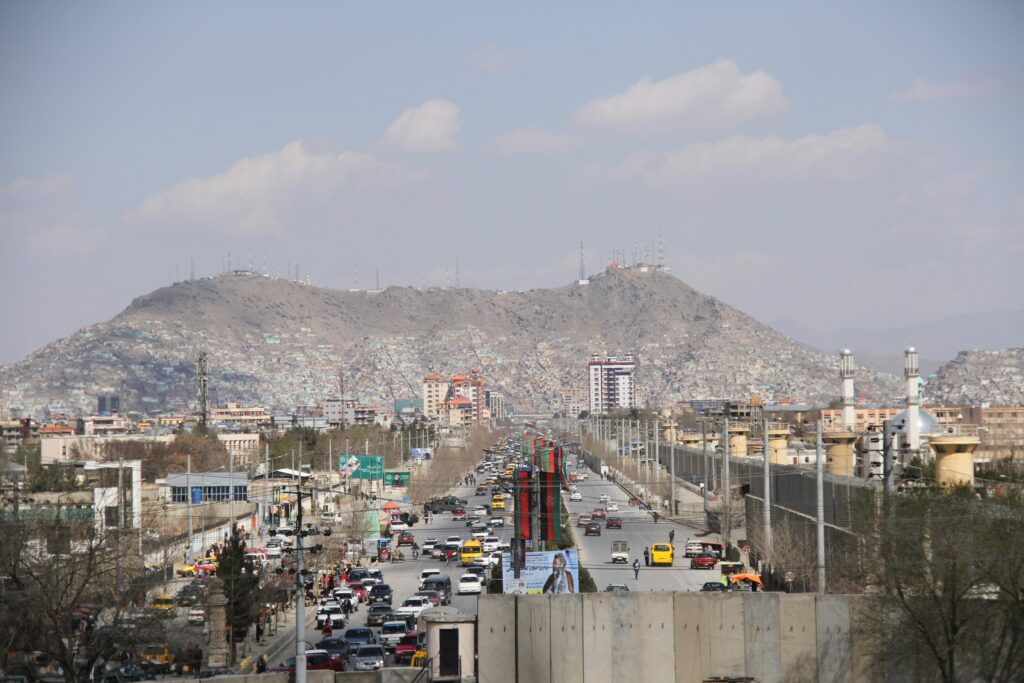
As peace remains undetermined in the Middle East, new tensions rise in Southern Asia as the border between Afghanistan and Pakistan became a battle ground this weekend. Long have the relations between these two countries been strained, with the fundamentals of their politics being a source of contention. However, according to the BBC, last week saw multiple strikes in Afghanistan as both the capital of Kabul and a small market along the border were hit with explosives. Seeing this as a threat from their neighbor, Afghanistan was quick with retaliation as they ordered multiple attacks against Pakistan late Saturday night.
The results of these attacks are heavily disputed as both sides claim a low casualty rate for themselves and a higher one for the other. CBS News states that along with this Pakistan claims to have destroyed multiple border bases used by Afghanistan. Regardless, the borders now remain close, with the two key crossings between them being barred from any traveler, disrupting the flows of supplies and people as they make their usual travels. As Al-Jazeera reports, the Pakistani government claims no relation to the bombings done in Afghanistan, however they instead accuse Afghanistan of harboring members of a terrorist group known as the Pakistan Taliban, or TTP. This has been a long-standing claim from Pakistan as the group’s attacks within the country have spiked throughout the summer months. They have also claimed involvement from New Delhi, claiming Indian support for the terrorist cell. Both Afghanistan and India have denied these claims multiple times, citing that they do not support nor allow their territory to be used by terrorists. According to BBC News, the timing seemed too coincidental to Afghanistan leaders as the attacks done on their territory last week coincided with the Taliban Foreign Minister Amir
Khan Muttaqi’s trip to India. This trip marked a breakthrough with relations between the two countries as India looked to upgrade its mission in Kabul to a full-scale embassy. This has escalated tensions between both parties and Pakistan as both of these countries have had long standing feuds with their shared neighbor, with just earlier this year seeing the two countries tip toe around a full-scale conflict due to a tourist massacre in Kashmir.
Other than India, the rest of the neighboring community has been quick to give their thoughts and concerns over the increasing tensions between the two countries. CBS News states that Saudi Arabia, an ally of Pakistan, has called for restraint to avoid further escalation and to allow peace talks to mend what has happened. Many others echoed that statement with some being Iran and Qatar. The overall sentiment is to not allow this chaos to further divide the Middle East and Southern Asia, with the fact that Saudi Arabia and Pakistan signed a mutual defense pact, yet they did not come in and strike Afghanistan.
There is a clear want to show a united Arab world, which involves solving differences such as this with minimal violence, going along with the Saudi message. As the U.S. attempts to solve one conflict, which helped to begin to unite the Arab world around them, it will be intriguing to see what may come as internal tensions between the neighbors such as these continue to threaten stability.