In 2014, the Russo-Ukrainian War began after Russian President Vladimir Putin took control of Ukraine’s Crimean Peninsula. This illegal annexation happened after Ukrainians held protests during the pro-Russian Viktor Yanukovych’s presidency because he did not sign an agreement with the European Union. This agreement would have been a step forward in integrating Ukraine with Europe and modernizing Ukraine as many citizens wanted. These protests forced Yanukovych to flee to Russia to escape prosecution. Following him, President Petro Poroshenko took office. Since then, the war has only intensified, and the cost has been high. Between 2014 and 2024, around 14,000 lives have been claimed. A quarter of those were the lives of civilians, and around 40,000 people have been wounded in the war. In 2026, the estimate of casualties is between 100,000 and 150,000 in Ukraine, and between 325,000 and 450,000 casualties in Russia.
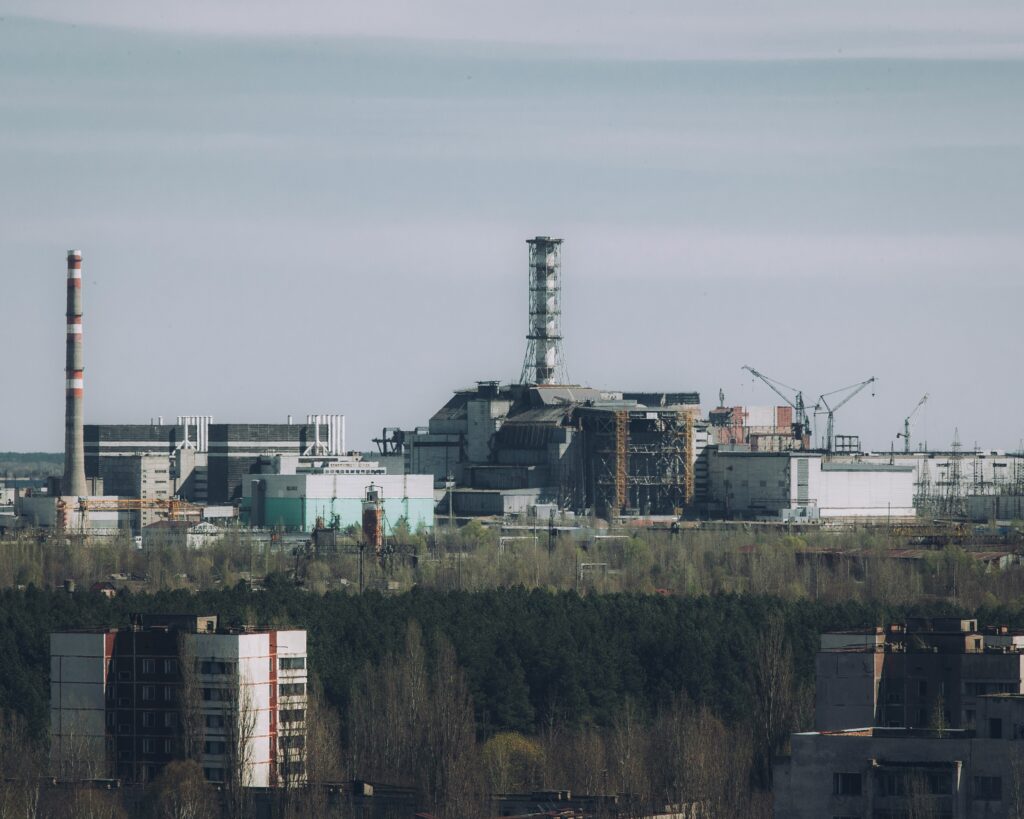
The Russo-Ukrainian War has brought to light Ukraine’s fragile environmental history with nuclear power, particularly its history with Chernobyl. On April 26, 1986, the nuclear power plant known as Chernobyl in what was then the Ukrainian Soviet Socialist Republic had a meltdown that caused the evacuation of around 350,000 people in the surrounding area after 31 people died, including plant workers and first responders. Since the meltdown, access to the plant has been restricted to tours only, which ceased during COVID-19. Now, with the ongoing war with Russia, access has been completely denied to the public as a safety precaution.
However, since Feb. 14, 2025, drone attacks near the plant began to occur, and a damaged containment arch over Chernobyl’s reactor was destroyed by the attack. On June 7, 2026, there was another attack near the nuclear power plant, and a container reception building was partially destroyed. This attack was around nine miles away from Chernobyl, but thankfully there was no nuclear material kept in the building.
With these drone attacks near the Chernobyl Nuclear Power Plant, there have been rising concerns about the nuclear safety of Ukraine. President Volodymyr Zelenskyy reported that the drone attacks had cut power to Chernobyl for over three hours, which is a major concern for its systems. These systems, though inactive, do require a steady line of power to run cooling systems to prevent another disastrous nuclear meltdown from occurring.
With the drone attacks, there are concerns about the radiation levels at Chernobyl. As of September, during an inspection of the plant, there have been reports that radiation levels have remained stable. But the question remains: For how long? With each drone attack, the risk that a problem will arise in Chernobyl increases.
Reconstruction of the damage inflicted upon Chernobyl is currently underway and will continue for the foreseeable future. This year, a solar power plant was opened with support from Japan and Lithuania to deliver electricity to Chernobyl’s cooling systems in Reactor Four. Despite the war, Ukraine is moving forward with building more sustainable energy plants for its citizens.