
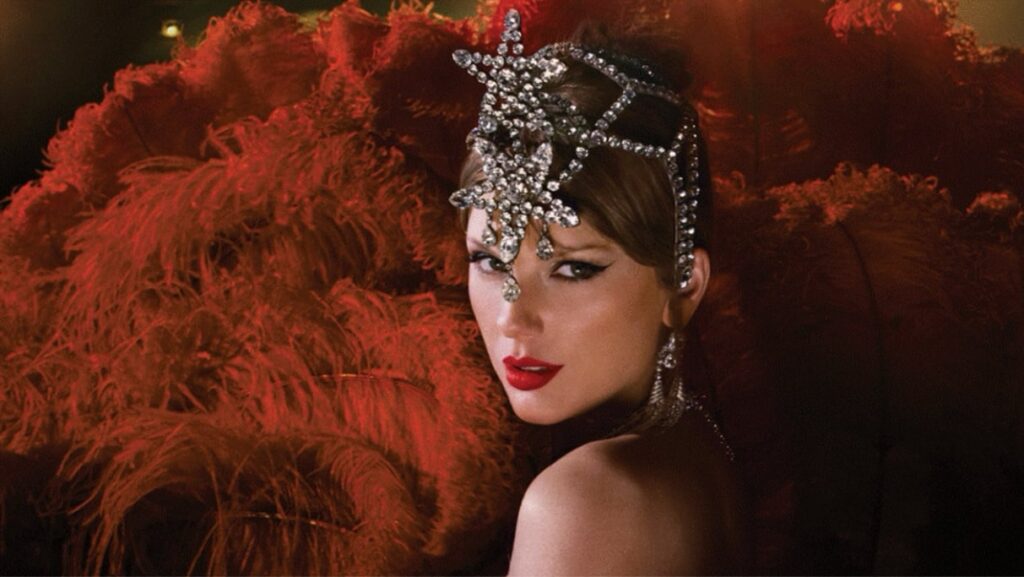
Critics have been sharply divided over The Life of a Showgirl, Taylor Swift’s 12th studio album. The record’s theatrical pop sound and self-aware tone have been called uneven and overproduced by some reviewers. For Swift, the mixed reception may be less a setback than a calculated move.
Few artists have mastered the business of attention as completely as Swift. Every release, even a divisive one, keeps her music, image and name in circulation. Showgirl may not satisfy every listener, yet it continues to dominate cultural conversation and streaming charts.
The album follows a familiar principle in consumer marketing. Companies often release unusual or limited-edition products meant to spark conversation rather than long-term sales. These variations might be unusual or even off-putting, but they create a moment of intrigue. People discuss them, post about them online and share their reactions. When the novelty wears off, customers often return to the original product, which suddenly feels reliable and authentic again. In that sense, the strange flavor was never meant to compete with the classic one. Its purpose was to draw attention back to what made the brand successful in the first place.
Showgirl functions in a similar way. The release has fueled weeks of social media debate while boosting streams of Swift’s earlier albums such as Folklore and 1989 (Taylor’s Version). In the streaming economy, engagement of any kind translates into profit.
Ownership amplifies that effect. Earlier this year, Swift completed the acquisition of her master recordings from Shamrock Capital, the private equity firm that bought them from her former label. She now controls her entire catalog, which means every stream or sale across her 17-year career contributes directly to her own company.
That structure rewards attention more than acclaim. Even a polarizing album strengthens the brand by driving audiences back through her discography. Swift has built a self-sustaining model in which every project, whether universally praised or not, supports the next.
Swift has turned financial control into a core part of her public identity. She operates as both performer and executive, running a global enterprise while keeping creative authority. The re-recordings of her early albums, the record-breaking Eras Tour and now Showgirl all reinforce that dual role.
Commercial results support the success of that approach. Billboard reports that The Life of a Showgirl is on track to challenge the modern-era record for first-week U.S. album sales, potentially rivaling Adele’s 25. Mixed reviews have not slowed her fans, and streaming data show renewed attention to her full catalog.
Swift has acknowledged the importance of visibility over validation. In an interview with podcast host Zane Lowe, she said, “The rule of show business is, if it’s the first week of my album release and you are saying either my name or my album title, you’re helping.”
That statement summarizes her strategy. In an economy driven by visibility, every mention has value. Showgirl may not become her most celebrated project, but it illustrates her understanding of how to turn attention into sustained revenue.
Criticism does not threaten Swift’s career trajectory. It keeps her name in circulation and her catalog earning. In the business of modern pop, control and conversation remain the strongest assets, and Taylor Swift has mastered both.