The on campus organization Our Bodies recently hosted an educational session focusing on menstrual cycle tracking, menopause, period poverty and broader reproductive health.
True Martel, a sophomore digital media production major and the treasurer for Our Bodies, said that the main goal of the meeting was to provide students with clear and factual information on topics that traditional health classes frequently overlook.
“The primary goal was to inform others about cycle tracking, menopause, and things around periods and period poverty and such like, so people are more informed,” Martel said.
The meeting also introduced the club’s upcoming campus event that will be featuring a period cramp simulator. Attendees will have the opportunity to win money back at the simulator event by correctly answering health trivia questions.
“We also gave them a leg up if they didn’t know any answers to the questions by coming in and basically studying,” Martel said.
During the meeting, presenters addressed topics that often surprise students entering college. Among these was period sex, including its health benefits and surrounding misconceptions.
“I think that’s one of the major things that people were like, wait, you can actually still have sex on your period,” Martel said. “I think it just surprised everyone because I think that they thought like, oh, you’re on your period, it’s off limits… A lot of high schoolers who come into college aren’t fully educated on some of these topics.”
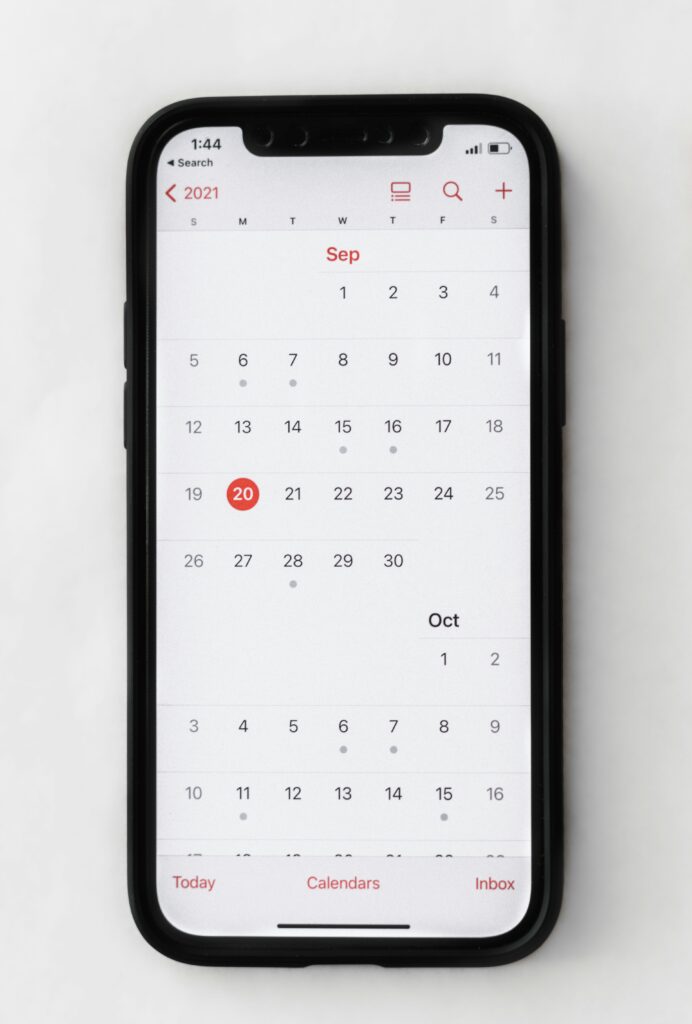
The presentation also highlighted how tracking a menstrual cycle provides crucial health data beyond pregnancy planning.
“You can track your flow because your flow is actually telling you a lot more than you think it is,” Martel said. “It can tell you how heavy it is, and then all of a sudden, tracking you realize that it’s heavier than normal or lighter than normal. It can actually help you realize that you need to go to the doctor when needed.”
Martel added that tracking can assist students in understanding their moods and physical shifts throughout the different phases of their cycle.
When reflecting on standard sex education in high schools, Martel stated that these systems often fail to prepare students for adulthood.
“I 100% think it failed us because a lot of health classes aren’t just about normal basic things,” Martell said. “They’re about ‘don’t have sex, you’ll get an STD and die.’ … The club is there just to really inform, educate, and have people express their sexuality or what they like and dislike in a positive, healthy way.”
While attendance at the meeting was smaller than organizers anticipated, it marked an increase over the previous year. Club leaders expect participation to rise as higher-profile campus events approach.
Our Bodies has scheduled several upcoming campus events for the semester. Following the period cramp simulator, the organization plans to host an informational meeting on kinks, followed by an interactive workshop titled “Bondage and Bears.”
During the workshop, students can bring a teddy bear and receive string to practice tying techniques, focusing on safety, consent and education.
Addressing common student misperceptions, Martell emphasized that the organization prioritizes research-based education over shock value.
“Everyone just assumes we’re the sex club, but we are there to actually inform and help college students, even when they’re a little uncertain,” Martel said. “We do our research for the most part. It’s a healthy and safe way to learn about the things that you should learn if you want to do that type of stuff, without feeling too exposed by the internet.”
Students seeking more information can follow the organization’s Instagram account, @etownourbodies, or request addition to the club’s email list. Interested students may also contact club president Darryl Mingle directly.