
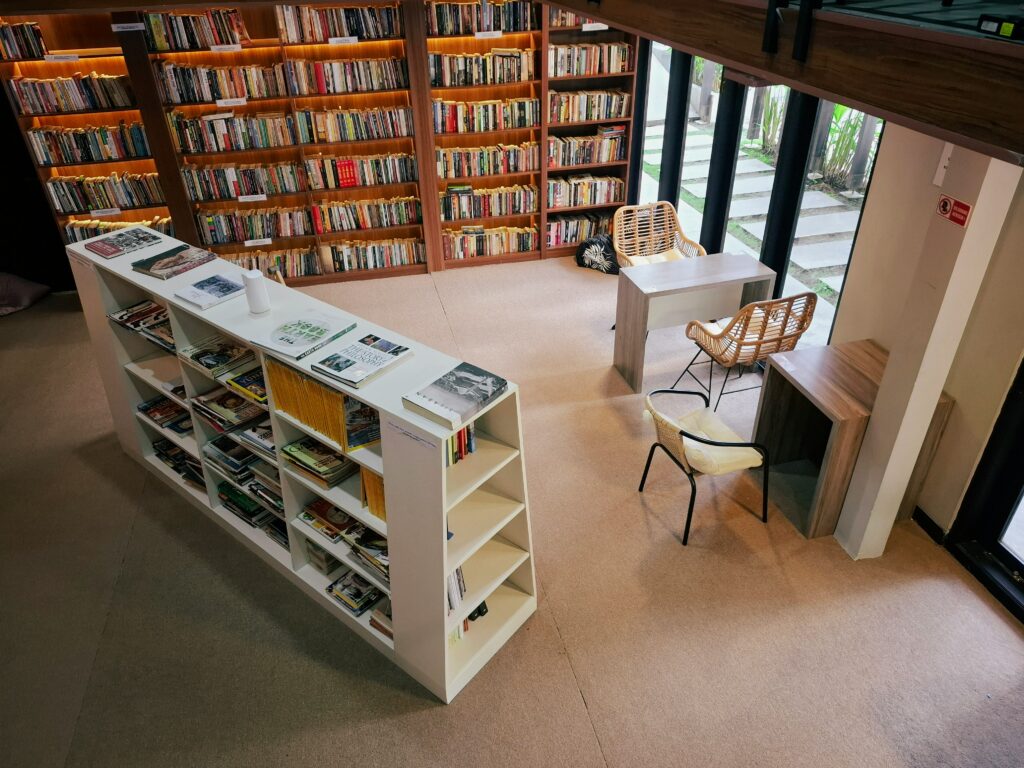
A place for “the gang” to hang out is a trope so popular in American culture that many Americans find themselves yearning for a close-knit friend group that hangs out every day. However, people are yearning for the wrong thing–what they really want is a place to hang out, a third space.
The third space is the place between home and work/school to hangout, connect and relax.
Richard Kyte offers a checklist to determine what a third space is in his book “Finding Your Third Space.” Keep in mind, a third space doesn’t have to check off each box to qualify as one.
- A neutral ground in which people are free to come and go.
- People can meet as equals, without power imbalances of boss and employee.
- Lively conversation with joking and storytelling.
- Accessibility, anyone can drop in without a plan or traveling a long distance.
- There are regulars who know each other and create a friendly environment.
- These spaces are ordinary and predictable.
- A playful and casual mood.
- A “home away from home.”
I asked a few students which characteristics they felt were the most important to them for a third space to feel authentic.
For Lilah Dutton, a junior psychology major, being able to meet as equals was important to her.
“In my hometown, there is a recreational center and the owner is not there,” she said. “There are board games, couches, TVs. Kids can come and go as they please. There is a level of trust that is associated with that.”
Gavin Mcqate, a senior environmental engineering major, mentioned accessibility.
“Everyone should be able to enjoy a space,” he said. “Sometimes, my enjoyment in something like a sport like basketball can’t be played with wheelchair users but there should be a space for them to enjoy the sport.”
However, many people are losing easy access to brick-and-mortar third spaces as they are forced to close due to high commercial rental costs, lack of foot traffic, poor walkability and more.
“The mom and pop shops that you would be able to hang out at aren’t really there anymore,” Mcqate said. “What you would need to do is have some sort of municipality on a local level have community centers. It must come from the law because large corporations keep buying up the land for their own wealth or gain.”
While creating more accessible third spaces may require larger changes in our communities, finding yours doesn’t have to start there.
A couple of tips that helped me to find mine are:
- Be open to being uncomfortable for the sake of meeting new people.
- Go in with an open mind. You deserve to be there as much as anyone else.
- Clubs and common interest groups are great places to start, since you already have something in common to discuss.
- It takes a long time to build friendships from scratch. Be patient and your efforts will be rewarded.
Good luck in finding your third space!