On March 25, the world welcomed the 194th member state into the United Nations, marking the first time since South Sudan’s admittance in 2011 that a country was admitted. This newest country is, quite literally, a garbage dump.
The Great Pacific Garbage Patch, or GPGP, is an enormous mass of plastic in the Pacific Ocean between Hawaii and California, and now it is a sovereign state called the Garbage Patch Republic, or GPR.
The GPR is a parliamentary republic, which means that the nearly 24,000 citizens elect a parliament and the president, and the members of parliament elect a prime minister to serve as the head of government.
The story of the GPR’s bid for statehood began only recently. A group of nine Patchians floated on large pieces of plastic all the way to California, where they asked to get in contact with the U.S. government. About a week later, the Patchians made a bid to the UN for membership, and the member states unanimously voted to admit the mysterious country as a full member.
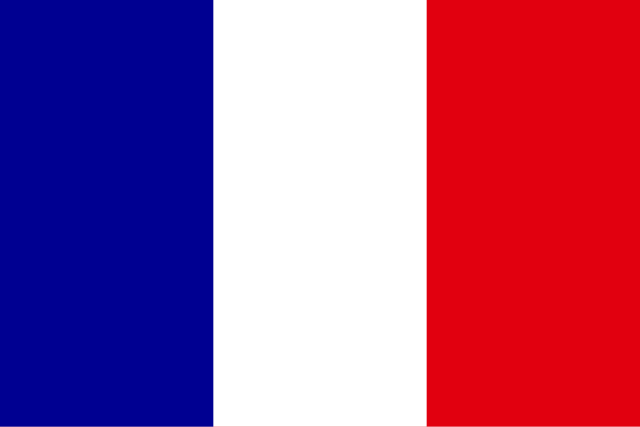
The Patchians have already come up with a flag after a long and heated debate. They first decided on a red, white and blue horizontal triband, but this was already taken by the Netherlands. They edited the design into a blue, white and red vertical triband.
China is seemingly eager to invest in the GPR’s infrastructural development through their foreign policy strategy known as the Belt and Road Initiative. This project was started in 2013 and aims to help build up developing economies for the purpose of maintaining its influence as a world power.
As the newly-appointed Chinese ambassador to the GPR descended upon the country in his private plane, the pilot quickly realized that the country did not have any solid area to stand on– let alone an airstrip to land on– so the previously-planned meeting between the ambassador and the president of the GPR was canceled.
The GPGP does not have any solid ground to stand on, but the Patchians have been hard at work for years fusing pieces of plastic and other waste together to have some more breathing room. Year after year, the ocean current brings more and more plastic waste to the GPGP, expanding its territory wider and wider.
The United States has expressed concern about the potential consequence of the country’s growth. As more plastic ends up in the ocean, not only does the country get larger, but its exclusive economic zone, or EEZ, does, too.
An EEZ is the maritime area in which a country has the sole right to use for its own gain, economic or otherwise. This border extends out 200 nautical miles from the GPR’s coast. As the Pacific Ocean becomes more polluted, the country’s EEZ rapidly expands. If pollution accumulation continues at its current rate, the GPR’s EEZ will soon overlap with that of the United States around Hawaii, which will cause greater diplomatic issues.
There is also a concern about the precedent that will be set from the GPR’s UN admission. There are other similar yet smaller garbage patches in the other oceans, which could potentially be civilized as well and wish to join the UN.
This decision, however, serves as a major victory for the Patchians. Only a few days ago, they were completely unknown to the world, but now they have the right to represent their own interests on the world stage.