Elizabethtown College announced Monday that it will officially recognize campus squirrels as enrolled students beginning in the fall 2026 semester, a move that will require the animals to pay tuition and comply with select institutional policies.
Under the new designation, squirrels regularly residing on campus grounds will be classified as non-degree-seeking students. College officials estimate that between 300 and 400 squirrels will qualify based on what the announcement describes as “consistent campus presence and observable engagement with academic and residential spaces.” The classification places them within the college’s enrollment system, though with a modified academic status.
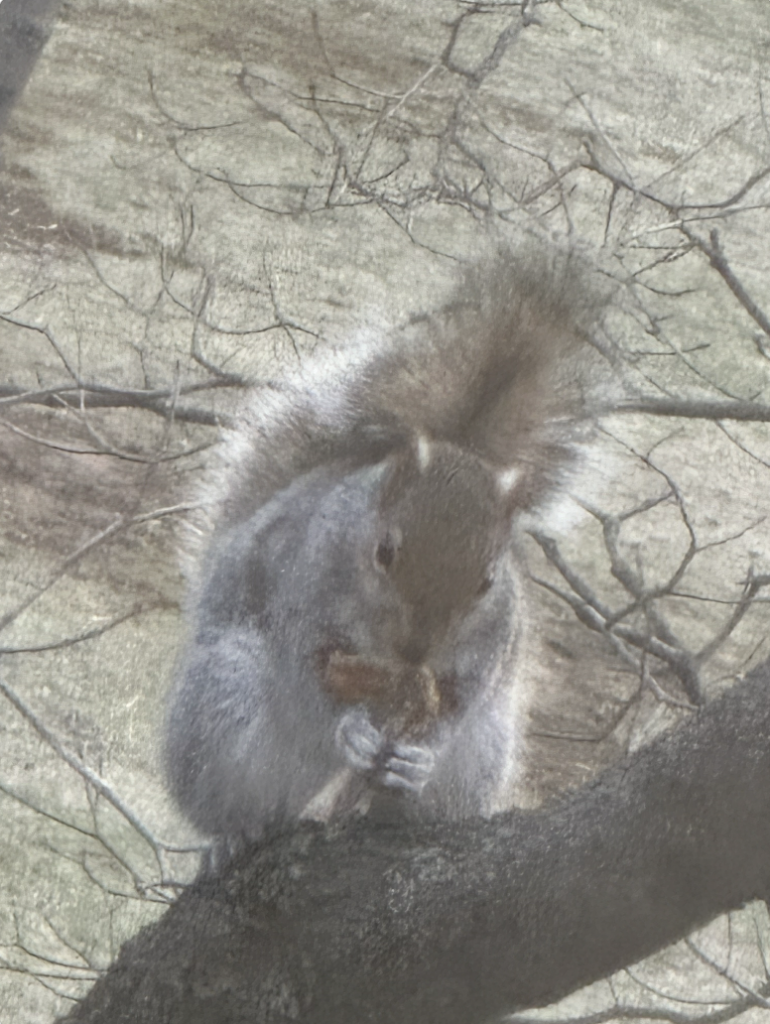
The policy follows an internal review of “nontraditional campus participants,” which examined the role of wildlife in daily campus life and their interaction with students, faculty and facilities. According to the announcement, squirrels were identified as the most active and visible group, frequently occupying outdoor study areas, attending classes from window ledges and gathering near dining facilities. In several cases, squirrels were observed returning to the same academic spaces across multiple semesters.
Student reaction to the decision has been mixed, particularly among those who already encounter squirrels on a daily basis and say the animals’ presence is not always welcome.
“The way they harass me, I think I deserve monetary compensation at this point,” junior Gabbie Hansen said.
Students cited a range of ongoing concerns, including squirrels digging through trash bins near residence halls, approaching students for food in outdoor seating areas and, in some cases, throwing acorns or other debris at passersby. While these behaviors were documented during the college’s internal review, they were ultimately categorized as “informal campus interactions” rather than conduct violations, allowing squirrels to remain eligible under the new policy.
Beginning next academic year, qualifying squirrels will be automatically enrolled upon meeting baseline residency criteria, including repeated presence near academic buildings, residence halls or high-traffic student areas. The college noted that several squirrels have demonstrated “multi-semester patterns of attendance” outside lecture halls, particularly in spaces with consistent student traffic.
Tuition will be assessed at a modified part-time rate, though the structure differs from traditional billing systems. In place of standard payment methods, the college has approved an alternative contribution model allowing squirrels to submit acorns, sticks and other collected materials as partial payment. A conversion scale is currently being finalized, and officials indicated that valuation standards will be reviewed seasonally to account for supply fluctuations.
Squirrels will not be assigned academic majors but will be expected to maintain a minimum level of campus engagement. The policy outlines attendance expectations for outdoor classes and shared campus spaces, as well as general behavioral guidelines intended to limit disruption. Officials noted that enforcement will rely on observation rather than formal disciplinary systems.
Housing accommodations will not change under the new designation. Trees, rooftops and other existing squirrel habitats will be recognized as approved residential locations, with no plans to expand or modify campus housing infrastructure to accommodate the program.
The announcement also states that squirrels will not initially be eligible for degree programs, though administrators did not rule out future expansion. A separate review is underway to determine whether long-term enrollment could lead to credential pathways or expanded academic recognition.
The policy has prompted logistical questions, including how the college will track enrollment and ensure compliance. Officials said identification will rely on “visual recognition and pattern consistency,” rather than formal registration systems, though additional tracking methods are under consideration.
A working group is also evaluating whether additional campus wildlife could qualify under similar criteria. Early discussions have referenced ducks, groundhogs and other species with established campus presence, though no timeline has been announced.
In a brief written statement attributed to an unnamed spokesperson for the squirrels, the group acknowledged the decision and indicated cautious support.
“We have been attending for years without formal recognition,” the statement read. “While we have concerns about the tuition model, we appreciate the acknowledgment of our contributions to campus life.”
Implementation of the policy is expected to continue through the summer, with full enrollment beginning at the start of the fall 2026 semester. College officials indicated that further details will be released as the program develops.