Political independents in Pennsylvania are closer to securing a milestone victory in the effort to open up the commonwealth’s primary elections.
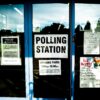
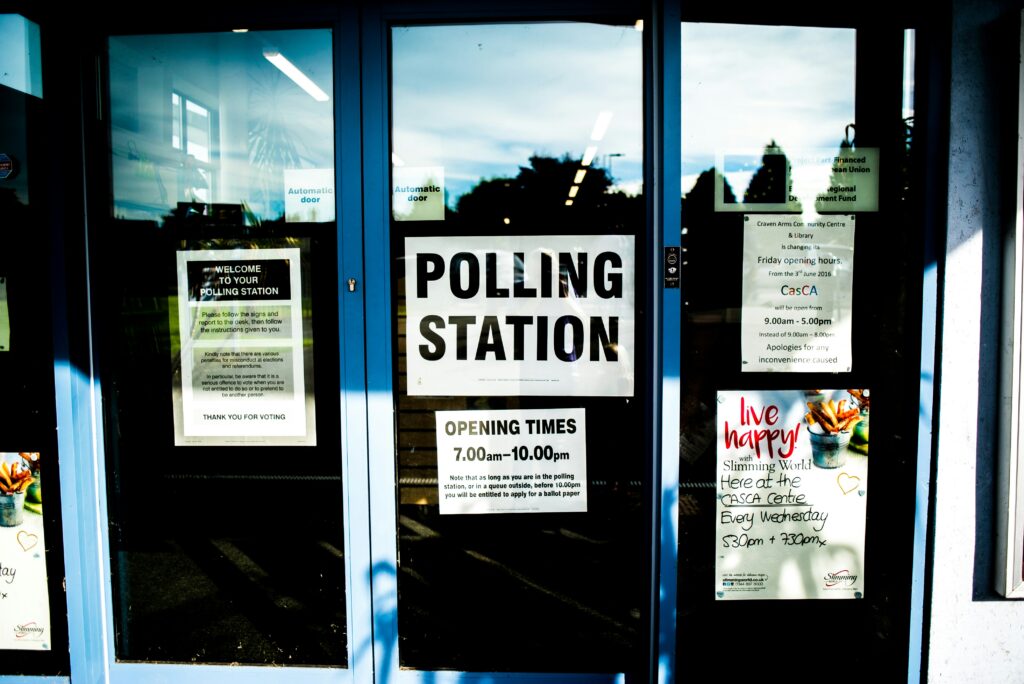
The Pennsylvania House of Representatives has passed House Bill 280, which, if it becomes law, would give voters with no political party affiliation the ability to vote in either Democratic or Republican primary elections.
Pennsylvania is one of only seven states that uses closed primaries. This means that only Democrats can vote in Democratic primary elections, and only Republicans can vote in Republican primary elections, which are the elections that determine the nominees for the November general elections. In most states, anyone can vote in any one primary, regardless of party affiliation. These systems are called “open primaries.”
House Bill 280 would not turn Pennsylvania into a true open primary state, as Democrats would still be forbidden from voting in Republican primaries, and vice versa.
This bill would change state law so unaffiliated voters are no longer completely blocked from voting in primaries. Advocates, including state Representative Jared Solomon (D-Philadelphia), who introduced the bill, argue that the current closed primary system is unfair. These political independents still pay for the elections to happen, through their tax dollars, but can have no say in them.
Additionally, many areas of Pennsylvania consistently vote Democratic or Republican, so whoever wins the party primary election is all but guaranteed to win the general election, increasing the importance of voting in the primary.
However, others advocate against switching Pennsylvania’s primary system. State Representative Wendy Fink (R-York) is among them, arguing that this change runs counter to the purpose of primary elections. Primaries are meant for parties to choose their nominees, so, they wonder, why let people who are not in the parties participate?
Another concern about the bill is the increased workload it would force upon local boards of elections. Many more types of ballots would have to be created, which could increase the risk of errors appearing on official election ballots. Poll workers would need new training, and more personnel resources would be consumed.
This bill is unlikely to become law this year, despite its recent passage by the state House. However, the reasons for this are unconnected to the potential drawbacks of opening up primaries to the political independents.
While the bill passed the Democratic-led state House with some Republican support, the Republicans who control the state Senate demand that any changes to election law in Pennsylvania be paired with an amendment to the Pennsylvania Constitution requiring stricter voter identification laws. Senate Majority Leader Joe Pittman (R-Indiana) opposed the primary election bill specifically because it lacked action on requiring voters to present ID, a proposal he called “common sense.” House Bill 280 would need to pass the Senate and get signed by Gov. Josh Shapiro before it can take effect.
Even though Pennsylvania’s primary elections are unlikely to change for the commonwealth’s 1.5 million independents this year, the passage of this bill is still a milestone. It has been years since a similar bill passed the state House, and advocates like Solomon are hopeful that soon, even more progress can be made.